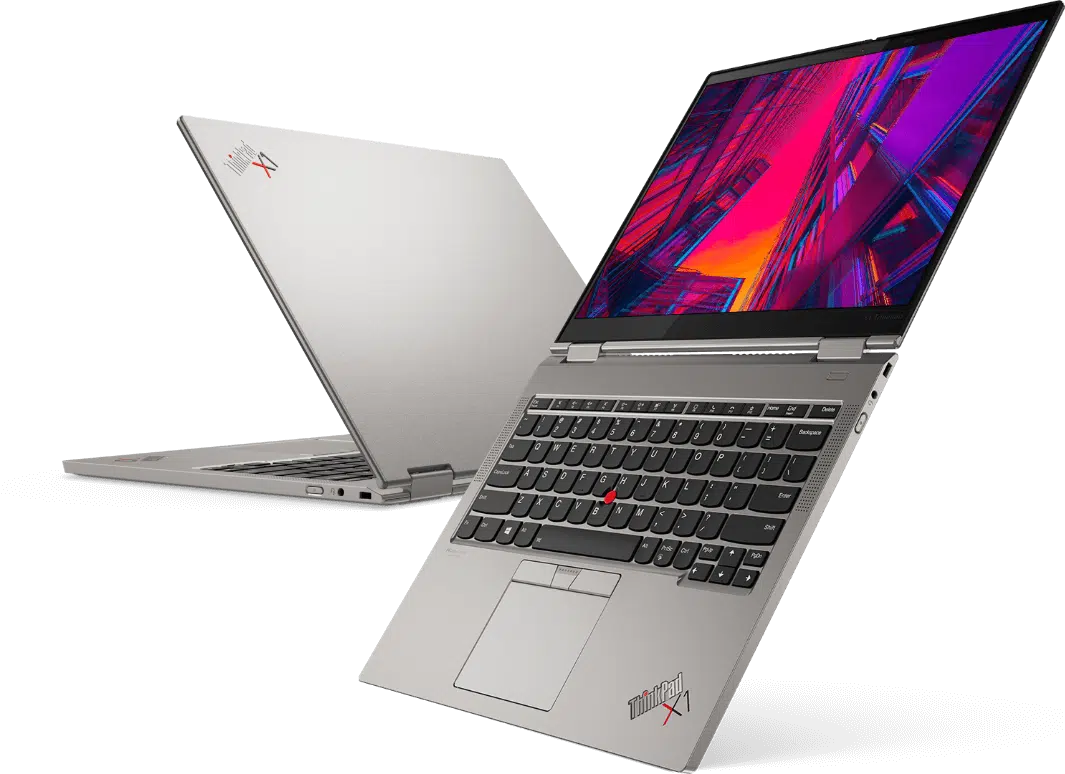
I led software product R&D for Sensel’s haptic touchpad technology over seven years, taking it from lab prototype to mass production across 22 laptop models. I built and managed the software team, developed core algorithms and manufacturing systems, and worked directly with Lenovo and Dell partners (and less directly our Microsoft partners for haptics) to bring this new interaction technology to market—ultimately shipping in over a million devices.
Selected Laptops
Lenovo ThinkPad X1 Carbon & X1 2-in-1
The technology and interaction methods I helped develop at Sensel enabled Lenovo to incorporate a touchpad into their ThinkPad models that is 26% larger than their traditional clickpad. This is enabled by the virtual TrackPoint buttons whose behavior was designed in collaboration between the team I led at Sensel and the ThinkPad touchpad team. The buttons could be disabled by customers who do not use the TrackPoint while the software-defined click behavior of the touchpad eliminated accidental clicks and releases during gestures, dragging, and the resting palm events that are frequent on large trackpads.

Dell XPS Seamless Touchpad
Sensel’s haptic touchpad enabled the Dell XPS’s seamless palm-rest design. To achieve this design I had to work with my team to develop new algorithms for enabling uniform haptics on a dual-actuator Z-axis haptics design (as opposed to our previous single actuator Y-haptics design). We also made improvements to our palm rejection and force-sensing algorithms to account for a much larger surface and reduced edge deflection. This also required significant optimization to our factory calibration and test method to achieve high production rates on a large sensing surface.

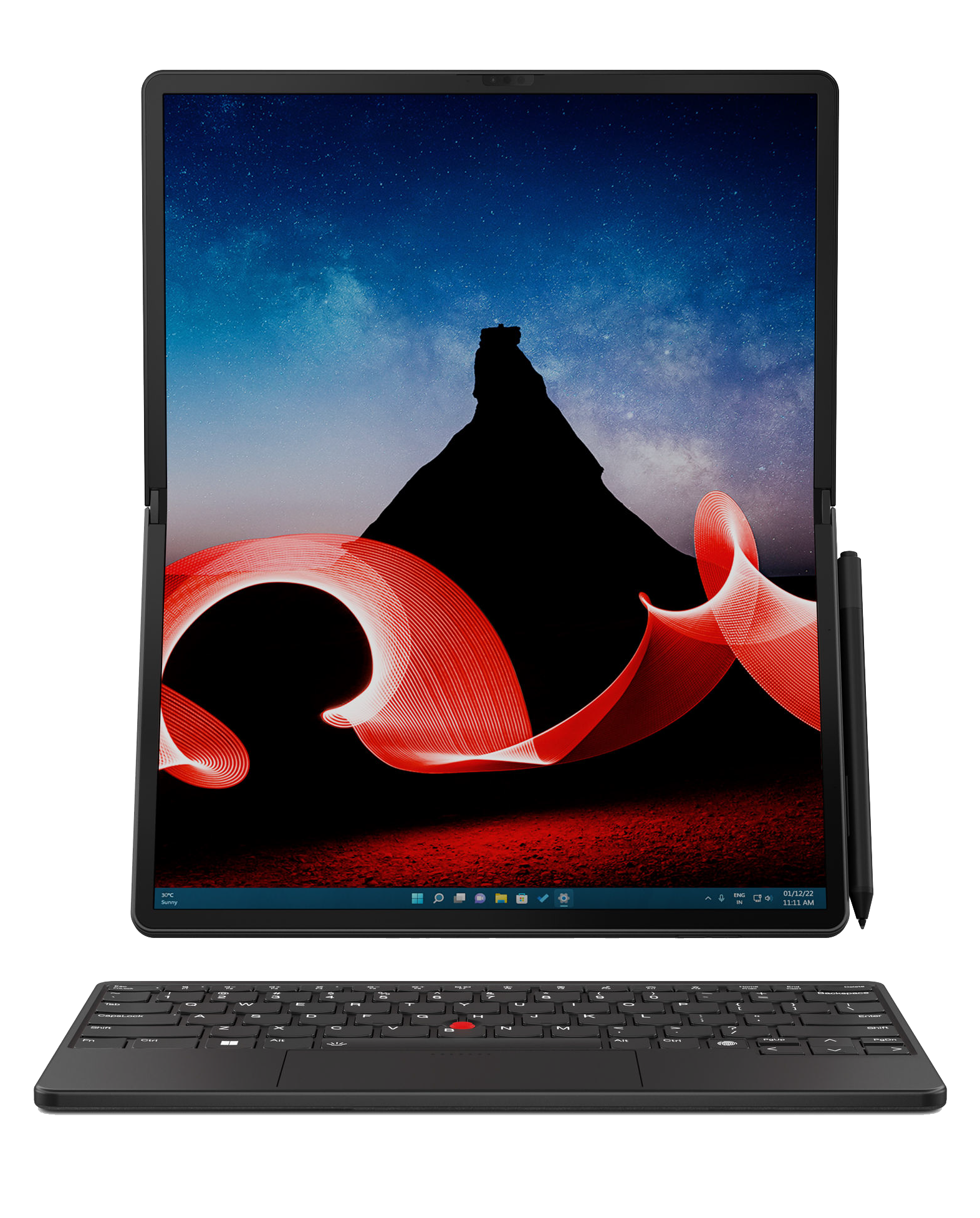
ThinkPad X1 Fold
The X1 Fold was the first device using our next-generation capacitive force-sensing technology with our industry-leading direct-drive haptics. I led the software team through the transition to the new platform, which required new algorithm development, new calibration and validation methods, as well as adapting our FW to a new hardware architecture. We also developed new virtual TrackPoint buttons, allowing Lenovo to support both TrackPoint users and Touchpad users within the limited space available on the innovative form-factor of the X1 Fold.
ThinkPad Titanium X1 Yoga
The ThinkPad Titanium X1 Yoga is the thinnest ThinkPad ever made. We perfected the force-imaging technology developed for the Sensel Morph to enable this ultra-thin form factor. To achieve this, I had to hire and train additional software engineers and researchers to scale our factory calibration and test software to let us match Lenovo’s specifications and production requirements. I worked closely with Lenovo to ensure our FW met their high standards for user experience, including palm rejection, pointing precision, double click experience, drag-and-drop force adjustment, etc. I also worked cross-functionally with the hardware team to troubleshoot production and design issues, and decide what issues would be best resolved via hardware changes vs what we can resolve with improvements to our sensing algorithms.